


The Hidden Women's Health Issue No One Talks About.
Four years ago, I walked away from my corporate career.
I stepped away from systems and structures that no longer felt aligned with who I was. I wanted to build something different.
When Peachaus was conceived, it was an antidote to the fashion industry I had spent my career in. I wanted to prove that fashion could be a force for good. That we didn't need endless seasons and trends, relentless consumption and disposable products.
We could create beautiful things, with love and pride, responsibly. We could put people and planet first. We could throw out the rule book and do things differently.
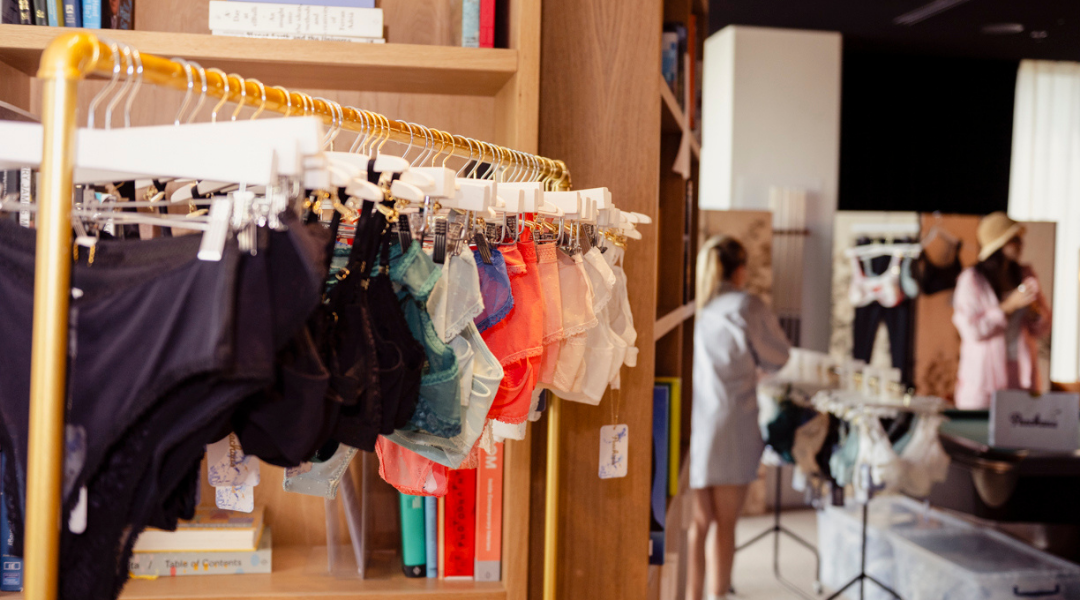
And that's exactly what we set out to do. But along the way, something unexpected happened. The more women we met, the more bra fittings we carried out, the more we started hearing the same things. Over and over again.
"My bra is so uncomfortable."
"I can't wait to take it off at the end of the day."
"I don't wear underwires because they're terrible for you."
"My shoulders hurt."
"My neck hurts."
"My back hurts."
"I have to wear padding because I don't want my nipples showing."
At first, these comments felt isolated. Then they became a pattern. Then they became impossible to ignore. Hundreds of women. Different ages. Different jobs. Different backgrounds. Yet they were all telling us the same story.
Discomfort had become normal.
Women had simply accepted it as part of life. And that was the moment I started asking a different question.
How had we got here? How had millions of women come to believe that discomfort from the very garment designed to support them was normal How had an issue affecting so many women become almost invisible?
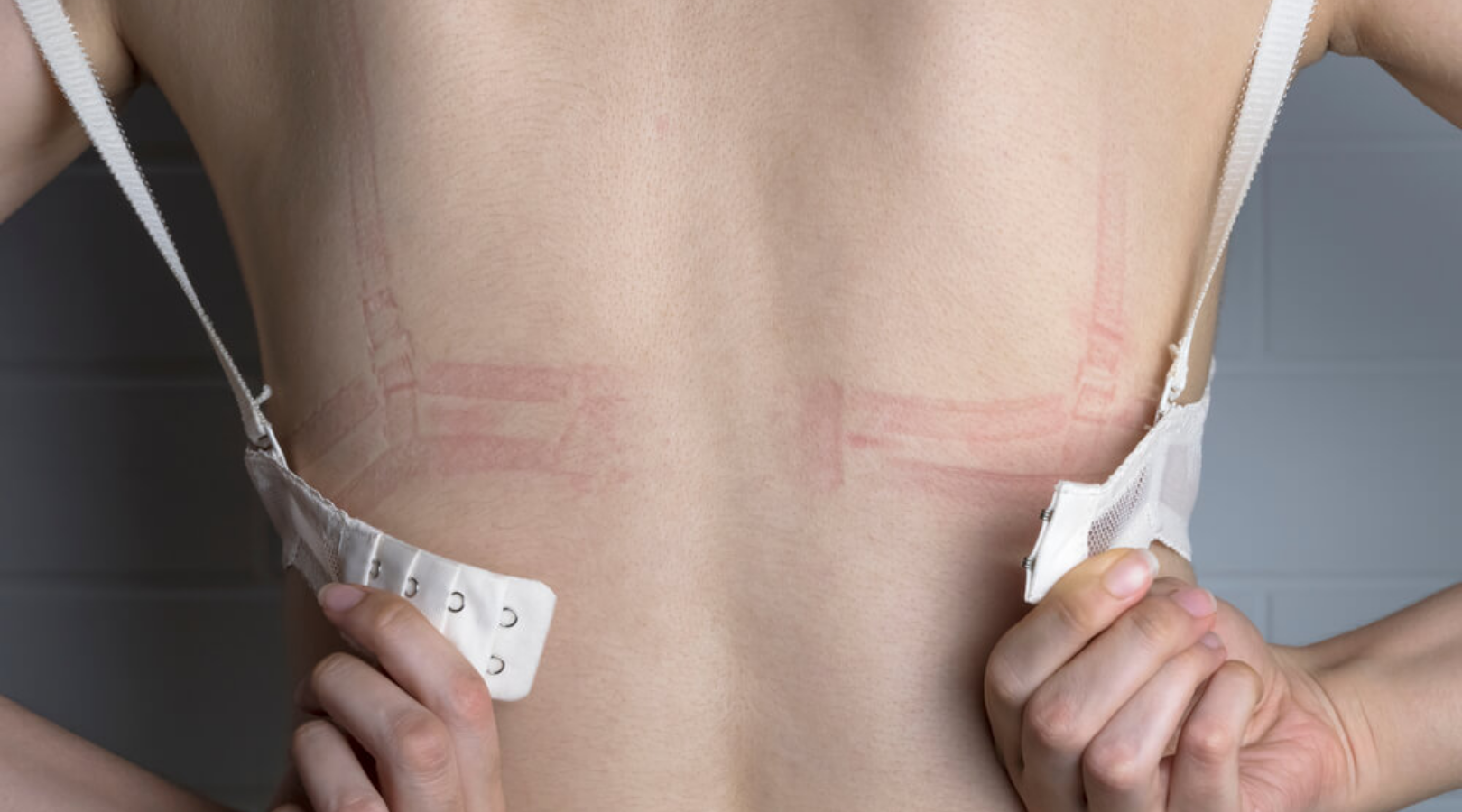
Because the more we listened, the more I realised this wasn't really about bras. It was about comfort. It was about confidence. It was about health. It was about women quietly tolerating something every single day that they shouldn't have to tolerate at all.
And perhaps what troubled me most was that nobody seemed to own the problem. Not fashion. Not healthcare. Not employers.
It sat in a gap between them all. A hidden issue affecting millions of women. And yet rarely discussed.
That was the moment everything changed for me; my mission was much bigger than selling bras and knickers. It was bigger than building an ethical fashion brand. The mission became helping women understand what real comfort feels like. Helping women stop normalising discomfort. Helping women reclaim confidence in their own bodies.
Because women already carry enough. The pressures of work. Family. Relationships. Health. Life. Why should we also have to spend every day physically uncomfortable in the one garment that's supposed to support us?
And that's when I realised something ... Peachaus wasn't a fashion company anymore. It had become something else. A mission to challenge a hidden problem that millions of women had simply learned to live with. Until now.
Because perhaps the biggest question of all is this: Why have we accepted discomfort for so long?
Why have we been told that sore shoulders, aching backs, digging straps, restrictive wires and the relief of taking your bra off at the end of the day are simply part of being a woman?
They're not. And maybe it's time we stopped accepting them. Maybe it's time we started expecting more. More comfort. More support. More conversations. More understanding of women's bodies and women's health.
And maybe it's time for workplaces to become part of that change too. Because if we can talk about mental health, menopause and wellbeing, why can't we talk about the physical comfort of the women who spend their lives helping businesses succeed?
This isn't about bras. It's about women. It's about health. It's about confidence. It's about creating a world where discomfort is no longer normalised.
Breasts are not separate from women's health. And women's health is not separate from work. If someone is physically uncomfortable every single day, that affects how they feel, how they move, how they show up, how confident they are. These aren't trivial things. They're the foundation of how a person functions.
And yet these conversations still sit under a layer of awkwardness and taboo.
We've got better at talking about mental health at work - and that matters enormously. Menopause conversation has opened up too, which is real progress. Policies are being written. Adjustments are being made. But even that feels like we're still only at the edges of something much bigger.
Because menopause affects some women, for some years. What about the decades before that? Periods. Hormonal shifts. Fertility. Breast health. Discomfort that women carry quietly from their very first day in the workplace.
Menopause cracked the door open. But women's physical health across an entire working life? Still largely unspoken. Still managed quietly, around the edges.
That needs to change.
And whilst I've made it my mission to shine a light on this issue, I can't change it on my own.
I can talk about it. I can challenge it. I can stand on stages and shout from the rooftops. But real change only happens when thousands of women decide they are no longer prepared to accept the status quo.
When women support women. When we stop dismissing discomfort as "just one of those things." When we start asking more questions. When we start expecting better.
And when employers recognise that women's comfort, health and wellbeing are not peripheral issues. They are human issues. And business issues.
So this is my invitation. To women. To leaders. To employers. To anyone who believes we can build something better.
Let's stop accepting discomfort as normal. Let's stop treating women's health as an afterthought. Let's start creating workplaces and communities where women feel supported, understood and comfortable in their own bodies.
Because I can't do this alone. Peachaus can't do this alone. But together? Together, we can change what millions of women simply accept today.
And perhaps that's where real change starts. Not with one voice. But with all of us standing shoulder to shoulder and deciding that enough is enough.
The systems we live inside shape who we become.
Which means if we want a different future, we have to build different systems.
This is the eighth in my series Truths From Inside the System.
Gilly
X